
It’s August and the heat is on. Your plants need some extra care so they can withstand the heat. The OSU Extension Service has the following tips and advice to help you get your plants through the hottest part of the summer.
Most plants grow best in temperatures ranging from 59–86 F. When temperatures above 90F are sustained for long periods, plant growth is slowed, and some plants begin to show signs of stress.
Above 104F, many plants will survive but will show different signs of heat stress depending on the plant type, the maturity of the plant, and other factors that often come with high temperatures, such as drought or wind.
Signs of heat stress
- Leaf rolling and cupping: Corn and tomatoes are among many plants that commonly roll their leaves or cup in response to heat. Leaf surface area is minimized, and stomata (microscopic openings in leaves, like pores, that allow movement of moisture and gasses) close. Together, these reduce moisture loss in the plant.
- Wilting: Wilting occurs when low moisture in the plant creates a lack of water pressure within the plant. This is common in nonwoody annuals and perennials. Many plants will recover when temperatures drop. The potential for permanent damage increases with the length of time that a plant remains wilted. Plants that wilt during the hottest part of the day and recover in the evening and early morning are likely suffering from heat stress.
- Dry leaf edges: A survival mechanism used by some plant types is that the outer margins of a leaf will dry up, but the leaf as a whole remains viable. This may be more common in large-leaved plants such as squash and pumpkin, where there is more leaf surface area to “spare” and still maintain function. Dry leaf edges can appear similar to disease symptoms.
- Blossom and fruit drop: Many ornamentals abort or drop buds and flowers after prolonged exposure to high temperatures. This allows the plant to conserve resources for parts of the plant necessary for survival. Blossom and fruit drop are common in peppers, squash and cucumbers when high temperatures persist. Most plants will return to typical production after a heat wave is over.
- Bolting: This is the premature flowering of plants before they would typically be harvested. High temperatures induce bolting in cool-season vegetables. A heat wave will likely mean the end for many cool weather plants like cilantro, broccoli, cauliflower, lettuce and spinach. For the best quality and flavor, it may be helpful to harvest these foods when a heat wave is predicted.
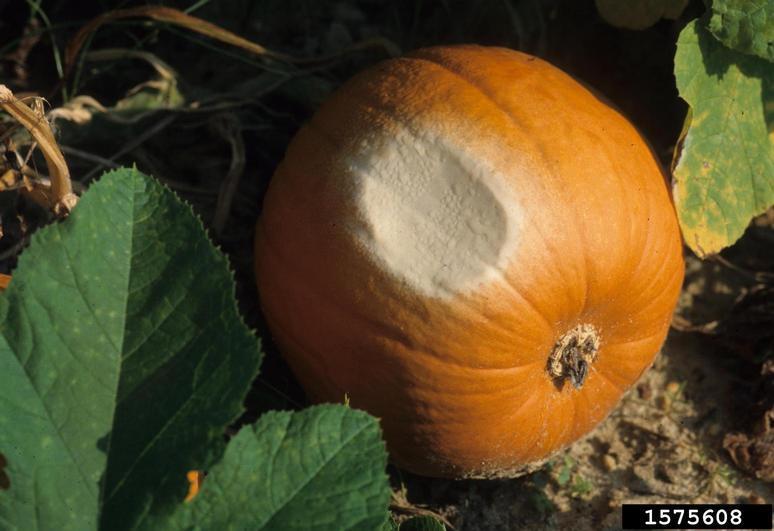
- Sunscald: From apples to tomatoes to melons, many fruits will scald in high temperatures, primarily on the side of the fruit most exposed to the sun. Sunscald looks different on varying fruit types and may appear as a watery area on the fruit, discoloration, blisters on the skin of the fruit, dried-out fruit, or sunken, hardened areas on the fruit surface.
- Blossom end rot: A common tomato problem associated with deficient calcium can become more problematic when sunscald is present. Consistent watering helps minimize blossom end rot. Avoid letting plants completely dry out between soaking.
Reducing heat stress
- Watering: While recommendations regarding the ideal timing of watering vary, deep watering is preferred over shallow watering. Morning watering is often prescribed in times of high heat, but wilted plants should be watered as soon as is reasonable to minimize the time spent in a wilted state.
- Mulching: Mulch conserves moisture in the soil by slowing evaporation and minimizing temperature fluctuation in the soil. Shallowly rooted and young plants will be most impacted when the top few inches of soil are hot and dry.
- Provide shade: Move containers where they get shade. Provide shade cloth or other means of shade, where possible. Heat stress is compounded when other plant stressors like drought, wind or intense sun are also present.
- Provide humidity: Leaves take in small amounts of moisture through the stomata or openings in the leaves. In small-scale gardens and home greenhouses, providing additional humidity can be helpful for many plants. Some strategies for adding humidity could be a morning, light overhead watering to the leaves or canopy, or greenhouse plants. Outdoor container plants can be grouped together and misted with a mist sprayer. A pressurized mist sprayer makes this job easier with large numbers of plants or large plants.
For more heat tips from OSU Extension Service
Tips to preventing heat stress in plants