
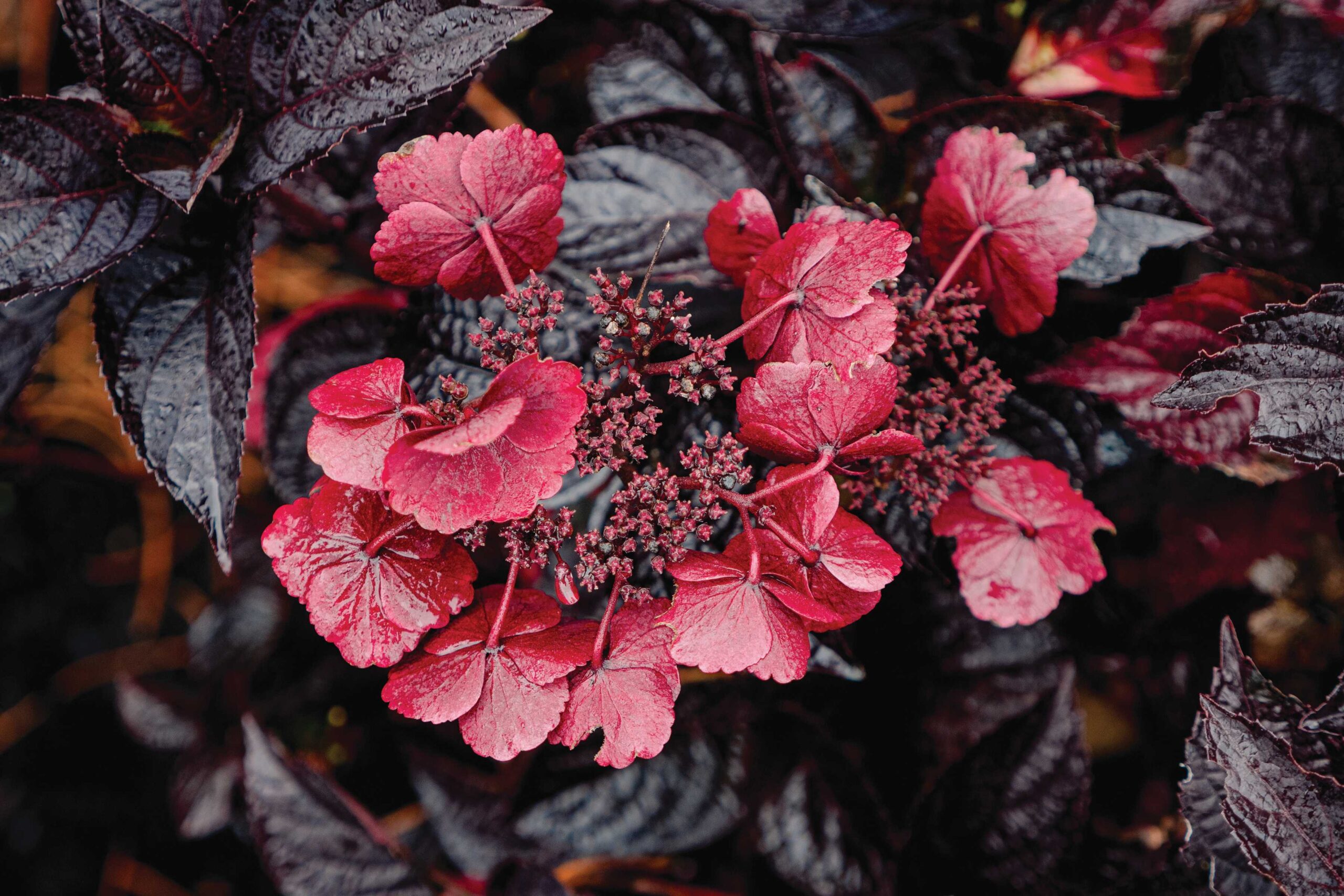
Goth gardens celebrate deep purples, velvety blacks and smoky greens to create spaces that are both mysterious and elegant.
“It’s about atmosphere — using rich tones, bold textures, and striking contrasts to tell a story through plants,” said Madison House, consumer marketing manager for the Bloomin’ Easy line of plants. “What makes it exciting is how expressive it is.”
House said gardeners sometimes pair the dark foliage with silver, chartreuse or pastel tones to make the dark foliage stand out even more.
“It’s theatrical, emotional, and surprisingly versatile — perfect for anyone who wants their garden to reflect a bit of their personality,” House said.
Natalie Carmolli, public relations specialist at wholesaler Spring Meadow Nursery, first started hearing about the goth gardening trend a few years ago. She said it really seems to spike in interest every fall, to no surprise.
“It’s a fun, moody way to play with color by grouping plants that have black or very dark purple flowers and foliage,” Carmolli said.
She would include plants variegated with dark tones in the trend, she added. “They still bring that dramatic, mysterious vibe people seem to love, but they can also break up the depth of color, adding a little more definition and style.”
Katie Tamony, chief marketing officer and trend spotter at wholesale growers Monrovia Nursery Company, said goth gardens are inspired by Victorian-era old world estate landscapes that were dark and broody.
“These gardens were often created as places to reflect and remember, offering a haunting, romantic and reflective feeling,” Tamony said. “The modern take on this design focuses on dark foliage plants with interesting textures offset by glowing accents.”
The trend’s development
Since the Victorian era, the goth garden trend has developed over time and has become especially popular during the fall season for Halloween, Tamony said. It has also become more common in container planting.
Carmolli said the goth garden trend has evolved. Now, gardeners are embracing it year-round as an artistic expression instead of just for the fall and winter. She said social media channels have helped boost its popularity in recent years.
“People started sharing photos of deep purple dahlias, black petunias, and dark-foliaged shrubs and perennials, and over time it has developed a following,” Carmolli said. “I feel like lately it has become less about being ‘dark’ and more about being bold and personal.”
House added the social media aesthetic trends of “dark cottagecore” and “moody minimalism” for decorating homes and lifestyle spaces gained traction during the coronavirus pandemic in 2020 and 2021. People were spending more time at home, and House said more people were craving outdoor spaces that felt personal and reflective.
“The garden became a creative outlet — somewhere to channel emotion, artistry and individuality,” House said.
Over the past few years, the goth garden has evolved from being a novelty trend into a design style that’s no longer about the color black. Now, it’s about creating mood and texture.
“We’re now seeing homeowners and even landscape designers use dark plants intentionally to create depth and contrast, or to anchor more colorful plantings,” House said.
House said she’s also noticed gardeners using dark toned plants as design accents rather than the full theme, for example, pairing dark foliage shrubs with lighter ornamental grasses or white flowering perennials.
“It shows how the goth garden concept has matured,” House said. “It’s not just for niche gardeners anymore, but a mainstream design element that adds sophistication to any space.”
New developments
To feed this burgeoning trend, production nurseries are introducing more plants with rich, dramatic foliage and blooms that are dependable for home gardeners and these new plants are becoming available at retail nurseries and garden centers.
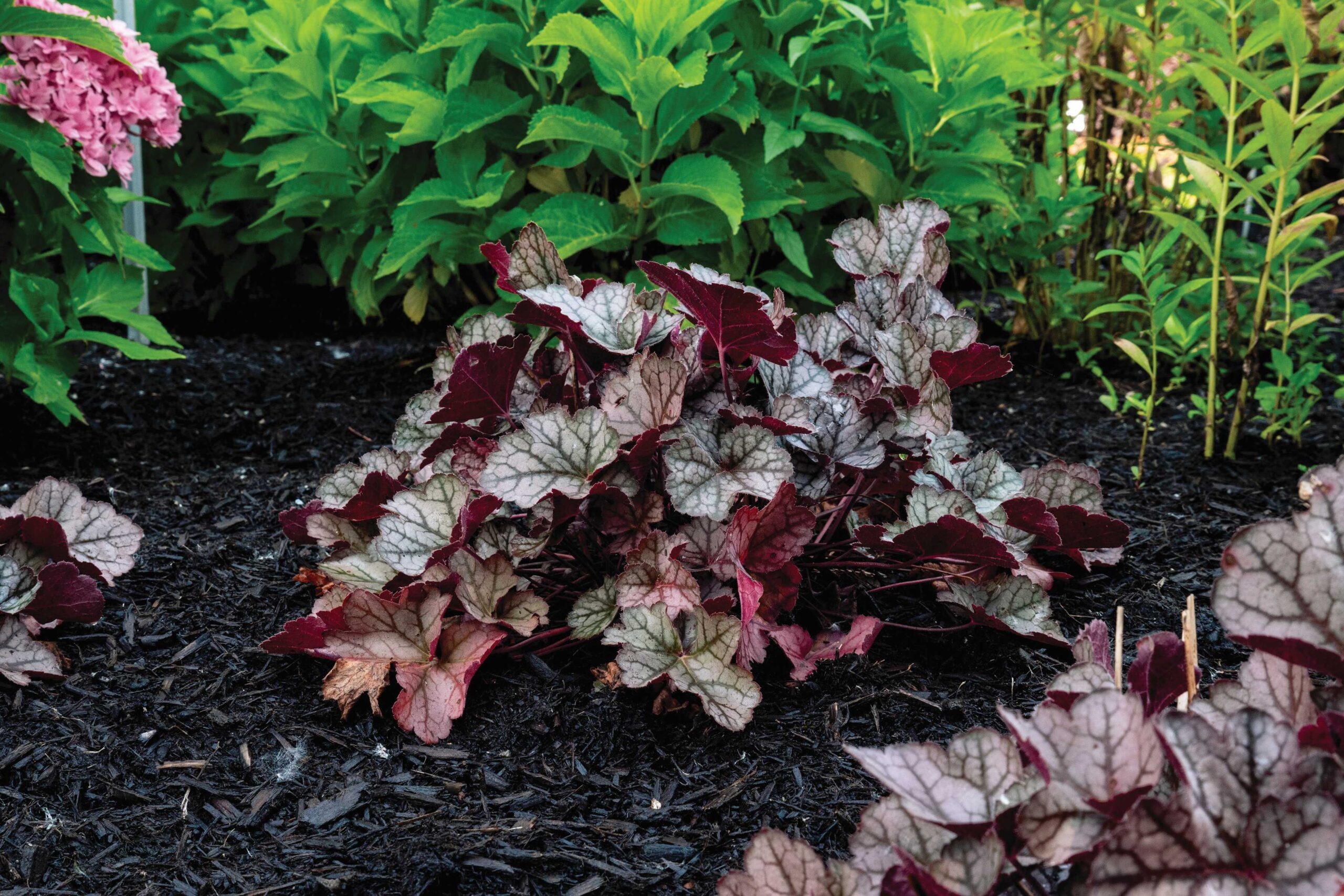
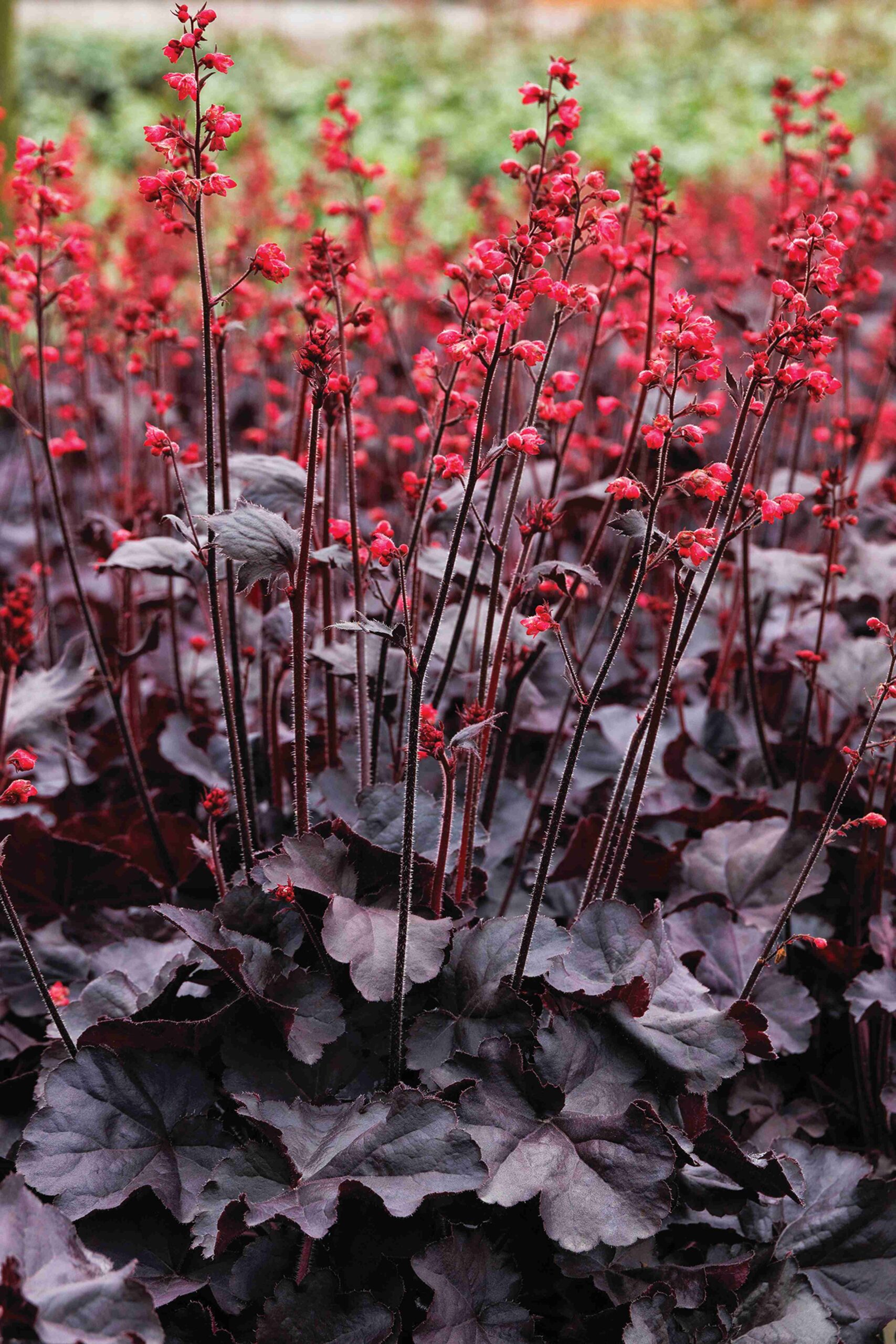
“At Bloomin’ Easy, several of our newer introductions play beautifully into the goth garden palette,” House said. These include Spice Curls™ Coral Bells, with its purple and silver ruffles that work well for borders or shaded corners that need dimension.
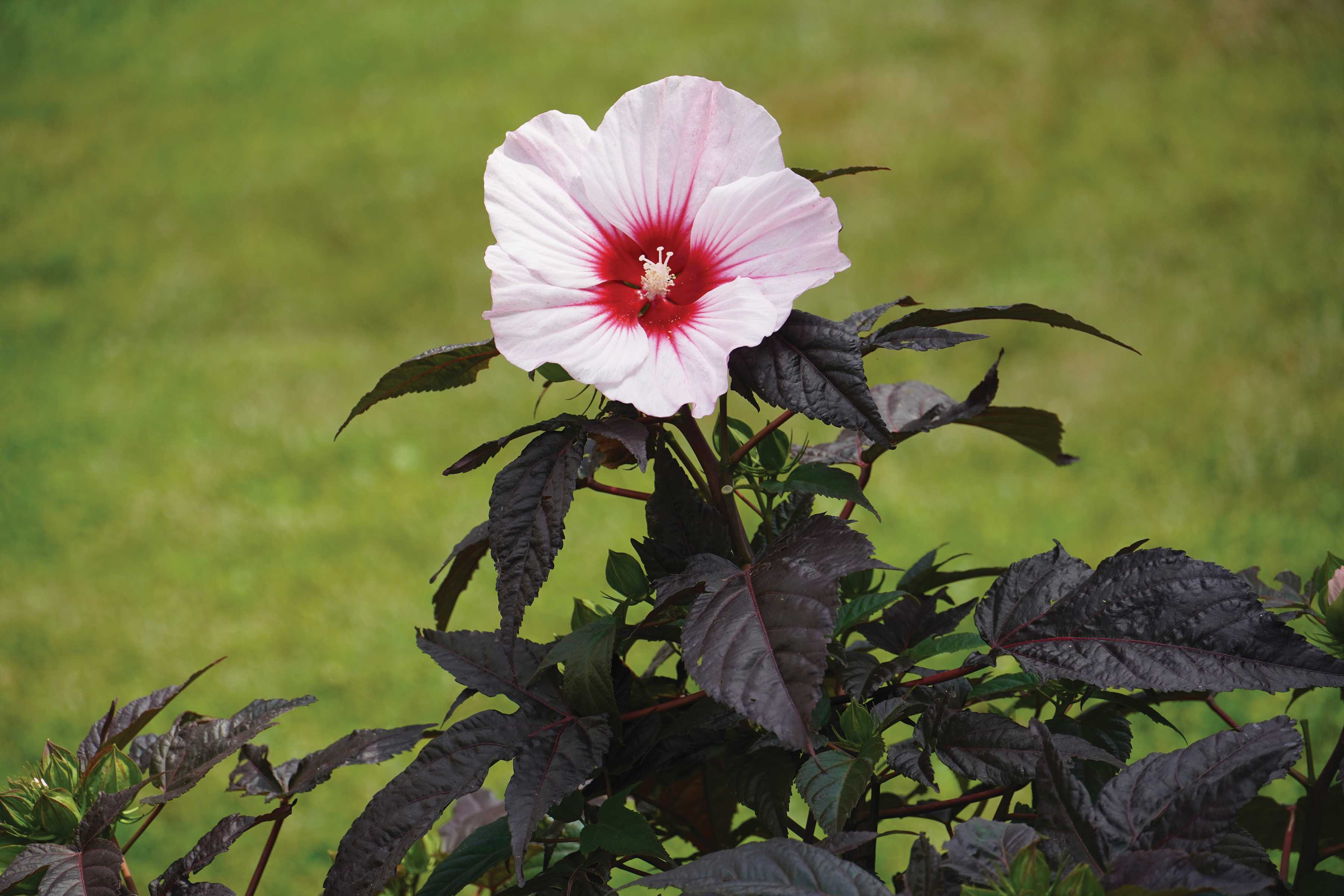
Others from Bloomin’ Easy are Pink Dynamo™ Mountain Hydrangea with pink blooms and dark leaves that House said gives it a romantic yet edgy look, MoonShadow™ Morello Hardy Hibiscus and MoonShadow™ Rosita Hardy Hibiscus, with their dark foliage and oversized blooms.
Carmolli said Spring Meadow Nursery’s Proven Winners® has created plants with unique eye-catching foliage, especially those deep dark tones that stay consistent throught the season, like Kodiak Black® Diervilla.
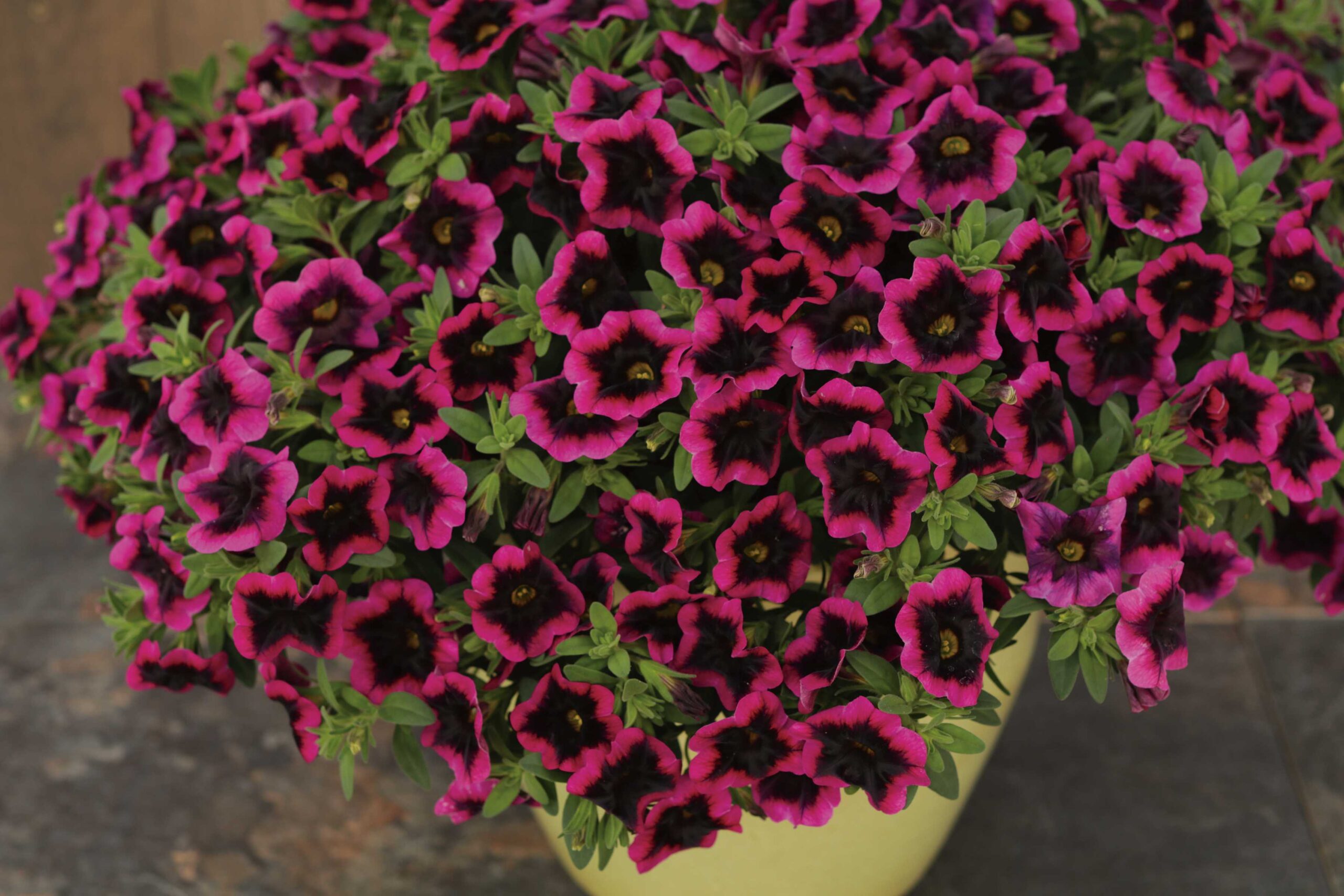
Other Proven Winners® plants that fit into the goth garden trend include Superbells® Blackcurrant Punch™, Sweet Caroline Raven™ Ornamental Sweet Potato Vine, Rock ’N Grow® ‘Back in Black’ Stonecrop, and Primo® ‘Black Pearl’ Coral Bells (Heuchera hybrid PP29395 CPBR5724).
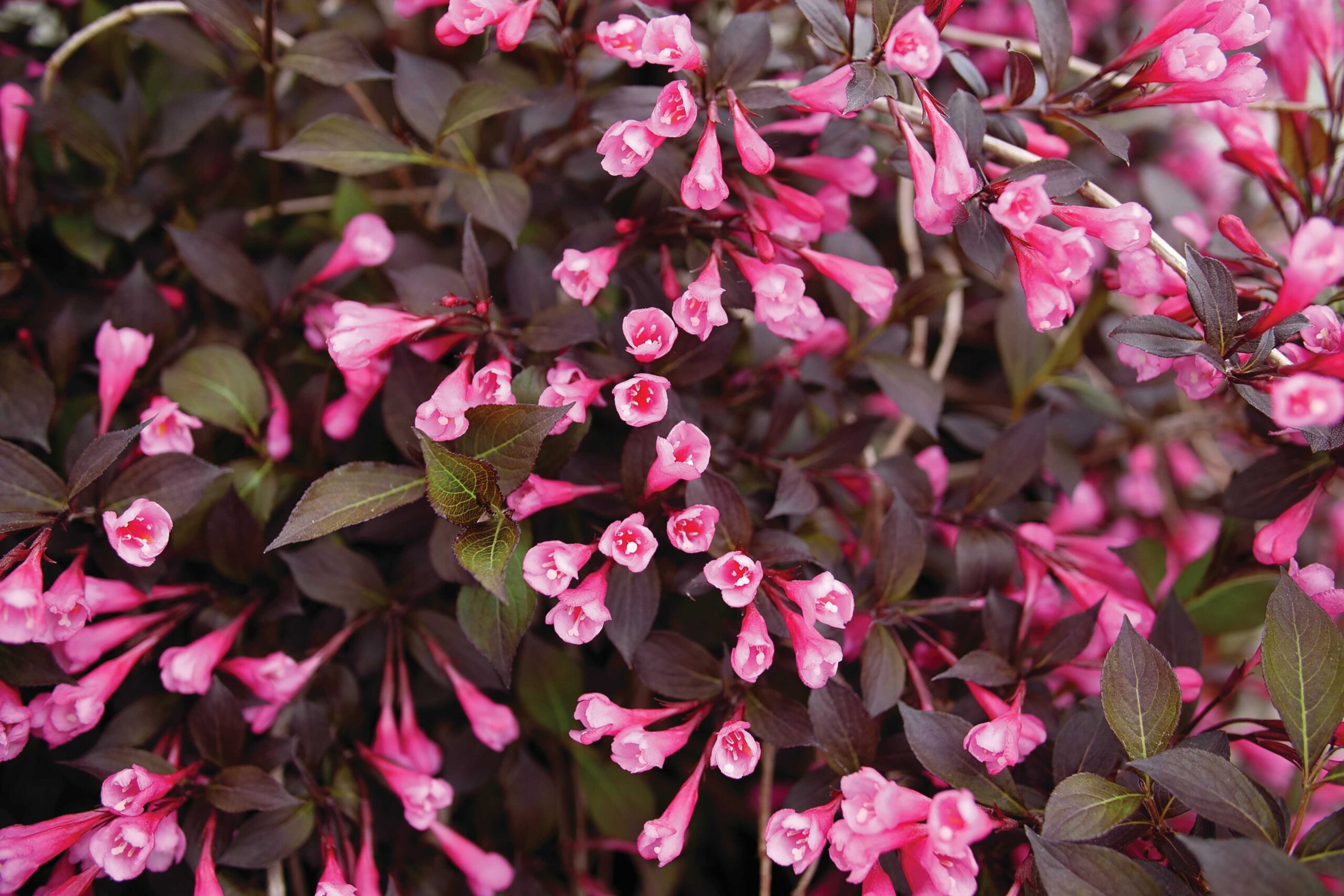
Some of the many shrubs with black foliage include Winecraft Black® Smokebush, The Center Stage® Series Crapemyrtle available in coral, pink and red, Summer Wine Black® Ninebark, Black Lace® Elderberry and Very Fine Wine® Weigela.
One of Tamony’s favorites is Centennial Ruby™ Hydrangea, a special release for Monrovia’s 100th anniversary.
“The flowers of this new variety are simply stunning, unlike anything seen before, with rich ruby-red mophead blooms that deepen in color as the long-lasting flowers age,” Tamony said.
Other dramatic plants from Monrovia include Lilla Smoke Bush, Black Mondo Grass, Velvet Viking™ Japanese Maple and Black Forest Cake Heuchera.
Tamony said Dark Fire Montbretia also fits the description with its smoky, purple-green foliage and bright red and yellow flowers that hummingbirds love.
Emily Hoard is an Oregon-based freelance journalist covering business, environmental and agricultural news. She has a background in community reporting and a master’s degree in multimedia journalism. You can reach her at Hoarde123@Gmail.com