
Oregon has an abundance of natural beauties across the state, including public gardens.
Among the more famous are the International Rose Test Garden in Portland, The Oregon Garden in Silverton, and Bush’s Pasture Park in Salem. But there are many more gardens less traveled and visited. To shine the light on them, here’s your passport to some hidden garden jewels in the Mid-Valley, with information on individual gardens provided by the Portland Parks Foundation:
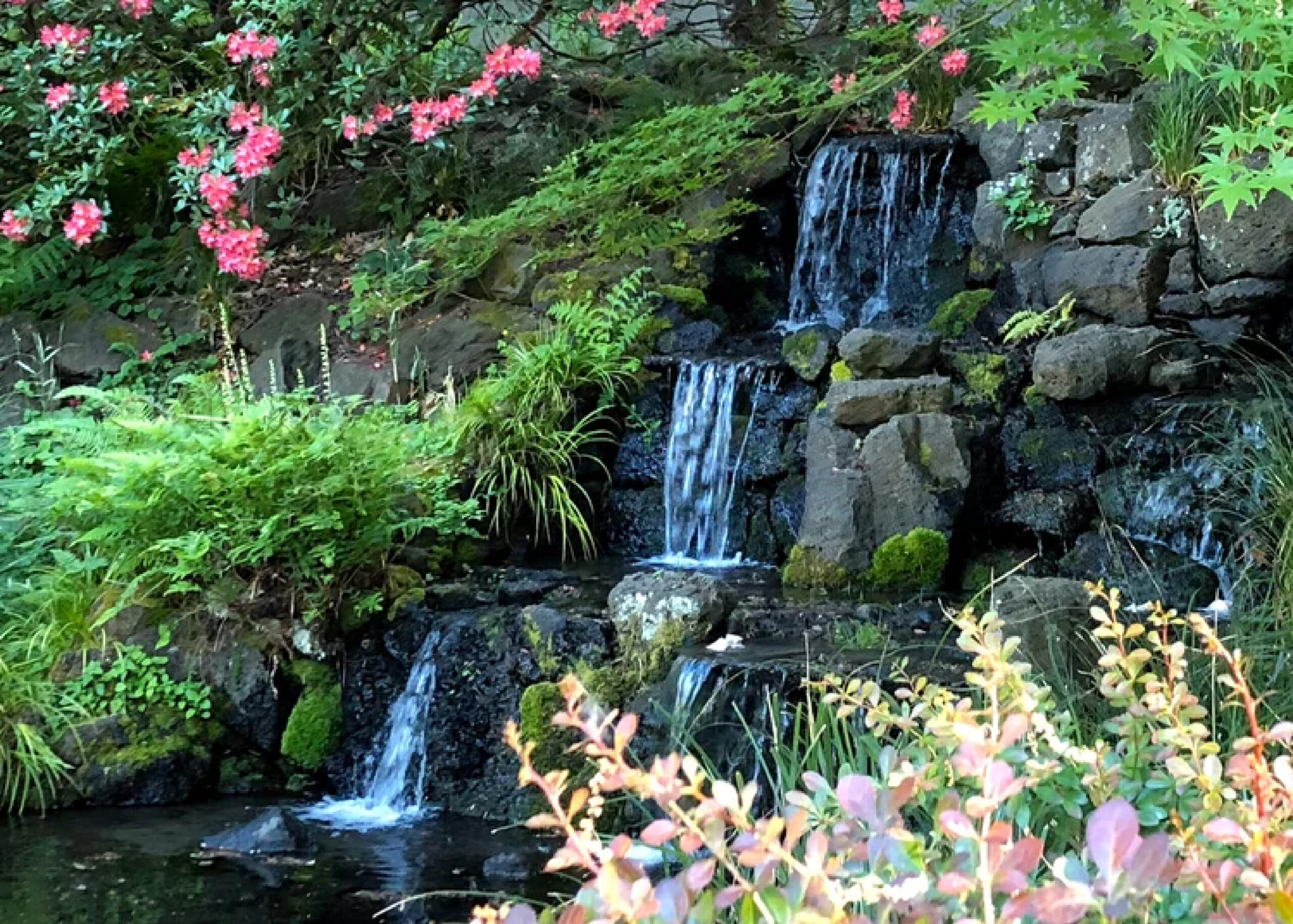
Crystal Springs Rhododendron Garden, 5801 SE 28th Avenue, Portland.
A partnership between the Portland Chapter of the American Rhododendron Society and Portland Parks & Recreation, Crystal Springs Rhododendron Garden holds one of the world’s finest collections of rhododendrons in an idyllic setting. Companion plants ensure the garden provides year-round beauty to visitors. Surrounded by a spring-fed lake, the garden attracts countless waterfowl which nest and feed in this habitat.
Established: 1950
Acres: 9.5
Must see highlights: The Jane R. Martin Memorial Garden, High Bridge, lagoon, and waterfalls.
Admission details: Adult (ages 19–64), $7; senior (ages 65+), $5; youth 11 and older, $5. Free admission for kids 10 and under but must be accompanied by an adult. ADA accessible.
Website: CrystalSpringsGardenPDX.org
Facebook: @CrystalSpringsRhodendronGardenPortland
Instagram: @crsgpdx
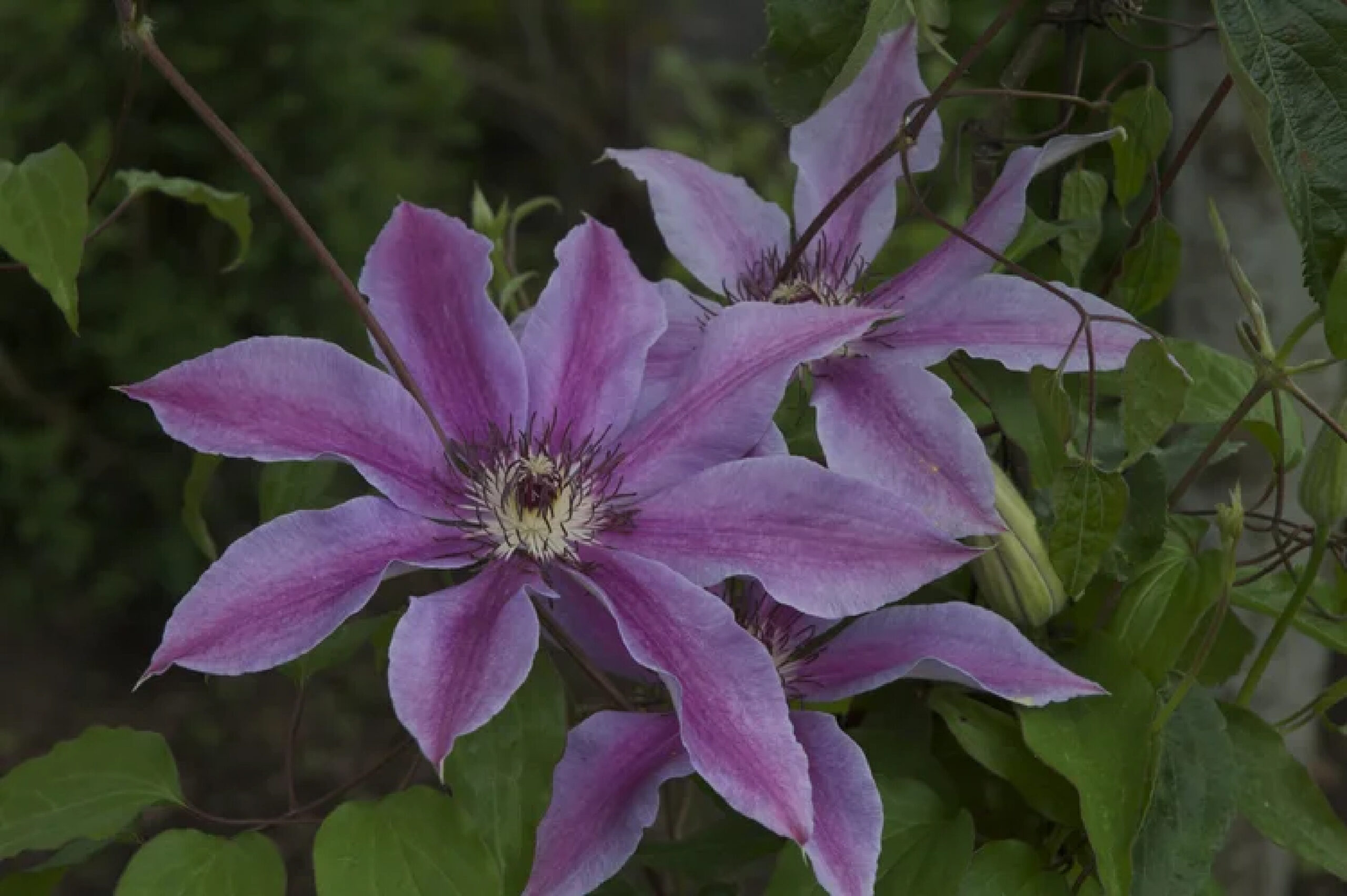
Friends of the Rogerson Clematis Collection, 125 Rosemont Road, West Linn.
This garden, situated around a historic farmhouse at Luscher Farm Park, contains nearly 900 clematis species and varieties, making it the most comprehensive collection of the genus Clematis in a public garden in North America. Begun in 1971, the collection contains unique and rare species, as well as historic hybrids and the latest introductions, plus hundreds of companion plants. It is an accredited member of the Plant Collections Network, a program of the American Public Gardens Association, and is the only accredited collection of the genus Clematis in North America.
Established: The collection was begun in 1971 and the garden was established in 2005.
Acres: 1
Must see highlights: Peak clematis bloom occurs the first two weeks of July, with the early spring alpine clematis reblooming as large-flowered hybrids expand, and heat-loving summer clematis hit their stride. In the Heirloom Garden, May and June is the time to see clematis combined with romantic old garden roses. Don’t miss the Test Garden, where newly documented species from the southeast United States are proving to be champion pollinator attracters. The garden demonstrates how to incorporate a wide variety of clematis and companion plants into home gardens.
Admission details: Free and open to the public from dawn to dusk every day.
Website: RogersonClematisCollection.org
Facebook: @RogersonClematis
Twitter: @RogersonGarden
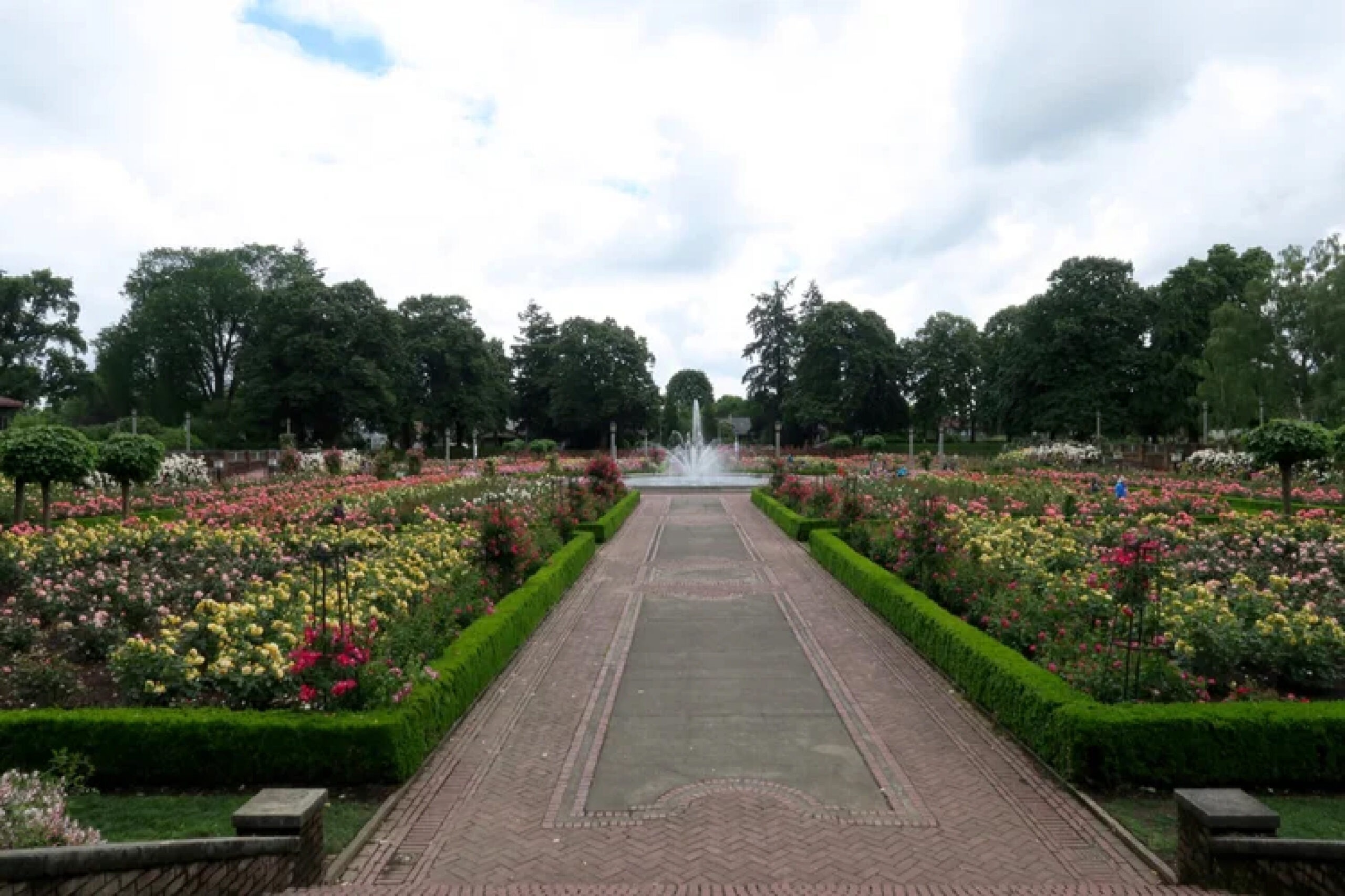
Peninsula Park Rose Garden, 700 N Rosa Parks Way, Portland.
Portland’s first public rose garden is a hidden gem in the midst of the vibrant Piedmont neighborhood. A classic example of the City Beautiful Movement, the 107-year-old garden is graced by a beautiful central fountain and displays more than 5,000 roses, representing 56 varieties, including Portland’s official rose. Landscape architect Emanuel Mische designed the garden in 1913 based on original drawings by famous landscape architects the Olmsted brothers.
Established: 1913
Acres: Garden is 2 acres; the entire park is 17 acres
Must see highlights: Madame Caroline Testout, Portland’s official rose, planted on over 200 miles of parking strips in the city in the early 1900s; original decorative brickwork and bandshell, designed by Ellis Lawrence; bandshell is a Portland Historic Landmark and the last of its kind in the city; many winners of the All American Rose Selection award, including Memorial Day, Francis Meilland, Julia Child, Love & Peace and Cinco de Mayo.
Admission details: Free, with ample free street parking. ADA accessible.
Instagram: @PeninsulaParkRose
Facebook: @PenRoseFriends
Website: PenRoseFriends.org
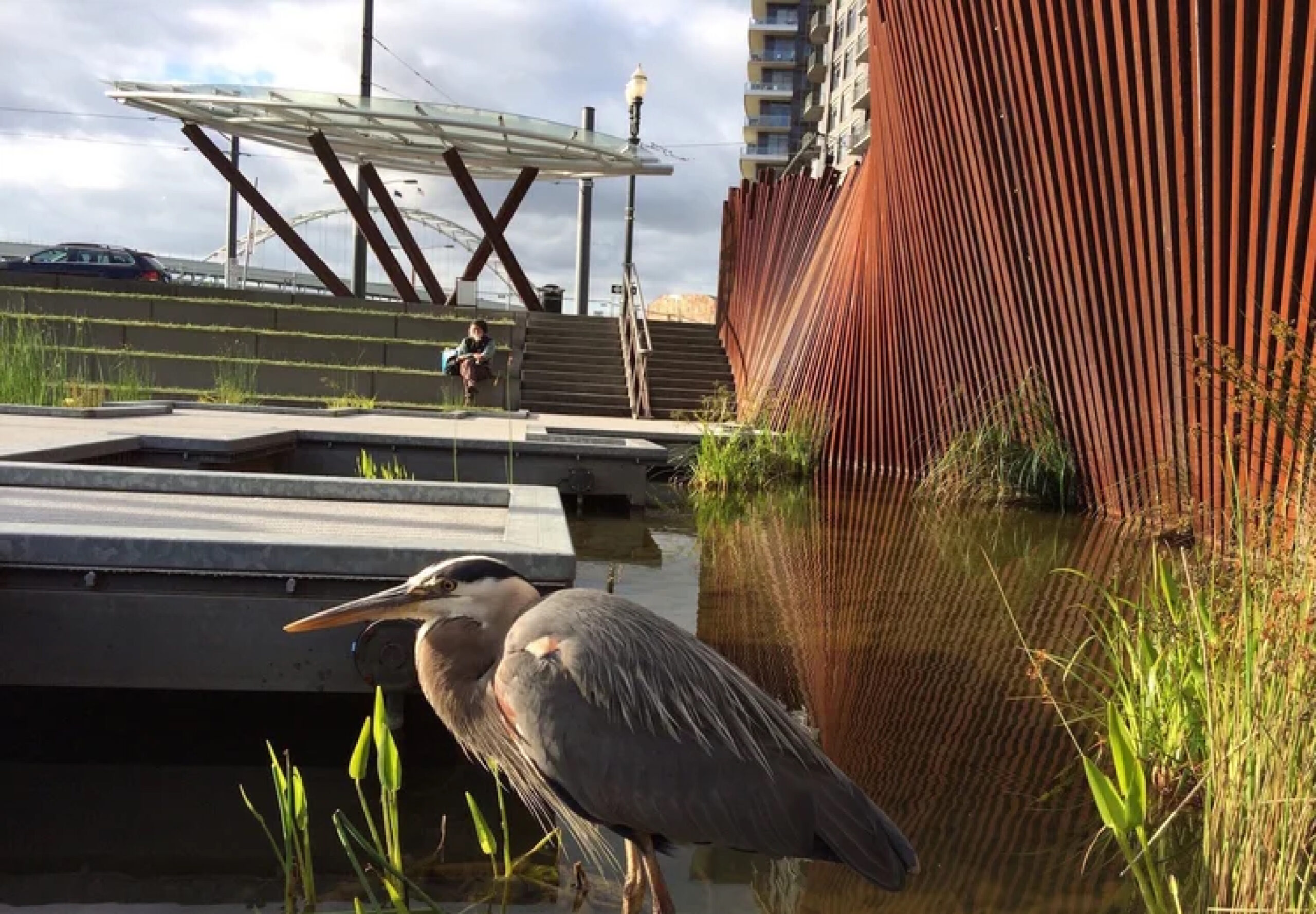
Tanner Springs Park, N.W. 10th Ave and Marshall Street, Portland.
Tanner Springs Park is an urban oasis of imperiled oak-prairie and wetlands — a microcosm of the richness the Willamette Valley once held. Less than 5% remains of the original 1.7 million acres. Tanner Springs Park in Portland’s Pearl District is owned and managed by Portland Parks and Recreation. The park is a design experiment transforming a contaminated city block into a healthy legacy oak-prairie bioswale that filters rainwater from the city within its boundaries and recirculates it through the park. Reclaimed materials create textural backdrops and footpaths to frame and experience nature both at street level and below. Over 72 species of native plants provide a continuous smorgasbord for native pollinators and other wildlife.
Established: 2005
Acres: .92
Must see highlights: Many plants in the park are culturally significant for Native Americans. In spring, the blooms of camas punctuate bright blue flowers across the prairie. In summer, Wapato throws white blooms with arrowhead leaves up from the pond. In fall, Oak acorns are distributed by birds and squirrels popping up in odd, yet perfect places.
The focal point of the park is a wetland pond framed by an art wall designed with undulating reclaimed train rails. Cobalt-blue art glass panels of “abstractions of lost wildlife” are hand painted by Herbert Dreiseitl and cut into the rail ties creating an outdoor stained-glass window.
Paths of basalt blocks reclaimed from ship ballasts and street cobbles create textural paths through oak-prairie habitat and over waterways.
A rainwater pavilion with a leaf-shaped roof channels rainwater into the pond. It is dedicated to Graham Clark, a beloved Portland city planner.
iNaturalist: Tanner Springs Park Project Page
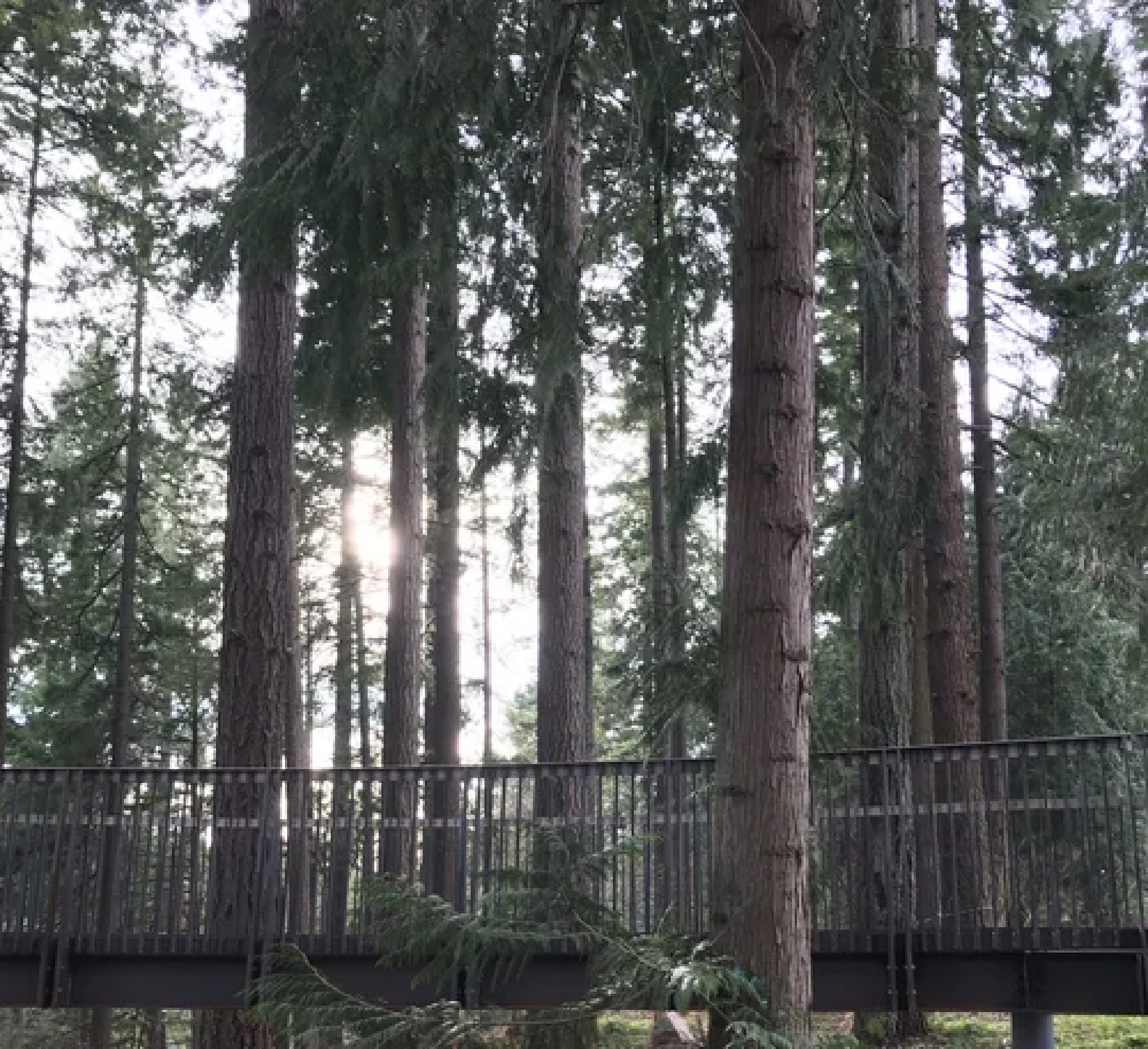
Leach Botanical Garden, 6704 S.E. 122nd Avenue, Portland.
Plant explorers John and Lilla Leach donated their 1930s estate on Johnson Creek as a public garden. Enjoy their elegant home, charming stone cabin, and historic botanical collections featuring plants of the Cascades and Siskiyou mountain ranges. Paths along the creek, woodland slopes, and upland meadows invite wandering. An Aerial Tree Walk, colorful new gardens, and other features are coming soon. Check LeachGarden.org for updates.
Established: 1983
Acres: 16
Must see highlights: Walk out into the forest mid-story on the Aerial Tree Walk for amazing views into the Garden. Stroll meandering paths alongside Johnson Creek, home to NW salmon and lush native vegetation, stopping at the iconic stone cabin along the way.
Enjoy an around the campfire feeling on the Fireside Arbor & Terrace nestled among magnificent fir and cedars. Delight in the everchanging waves of color and texture in the Pollinator and Habitat Garden, enjoy the beautiful architecture of the Leach Manor House, and discover the peaceful setting of Contemplative Place, a sculptural and botanical sanctuary by Michihiro Kosuge.
Admission details: No admission. Some activities require fees. Coming soon — the Upper Gardens will be ADA accessible.
Website: LeachGarden.org
Facebook: @LeachBotanicalGarden
Instagram: @LeachBotanicalGarden
Discover more of Oregon’s public gardens