
By Claudia Groth
If you were to ask, “What are the top 10 garden pests that gardeners in Oregon may have trouble with?,” that’s not an easy question to answer because gardens in Oregon are so different.
If you have an apple tree, your top garden pests are likely the codling moth and the apple maggot. In the vegetable garden, probably slugs and snails, flea beetles, climbing cutworms, and squash bugs. Ornamental shrub beds will be challenged by root weevils, cottony camellia scale, or spider mites.
And, of course, everyone’s got aphids of one kind or another, from green peach aphids (vegetables) to black bean aphids (nasturtiums) to giant willow aphids (willows, and little else).
This would be my list, however (in no particular order):
- Aphids
- Slugs and snails
- Flea beetles
- Squash bugs
- Climbing cutworms
- Cherry fruit fly
- Spotted wing Drosophila
- Codling moth
- Apple maggot
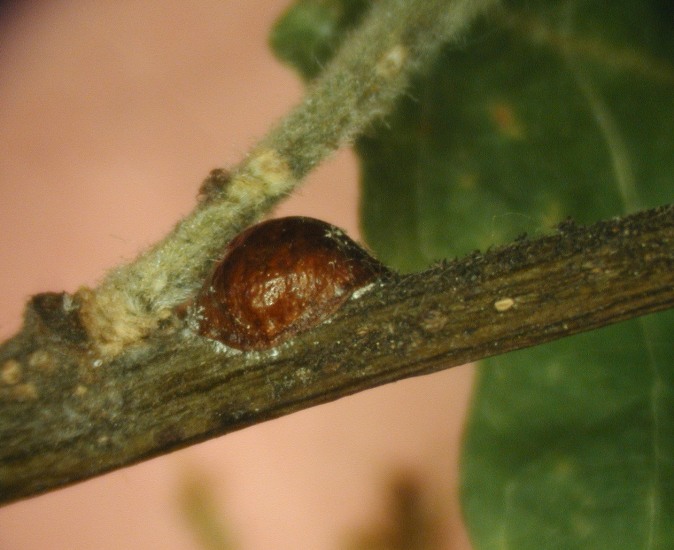
- Scale — cottony camellia, citrus
- Root weevils
- Spider mites
Read OSU Extension’s top insect pests in the Willamette Valley
What they are and the damage they do
There are several kinds of damage that insects inflict on our garden plants. Chewing insects, such as cutworms, slugs and snails, or root weevils, chew holes in the leaves. Tomato fruit worms or codling moth larvae burrow through the fruit.
With sucking insects, gardeners don’t see holes in leaves or find whole plant parts missing. These insects — aphids, mites, squash bugs, or scale — do their damage by piercing the fruit, stems, or leaves and extracting nutrients the plants need. Gardeners see yellowing, twisting, and curling, while the insects frequently ooze sticky honeydew onto the leaves below.
How are they identified?
Gardeners know how their plants should look — vibrant color and strong, with steady growth.
Observing changes as the season progresses can signal that it’s time to take a closer look. Perhaps the plant just needs more water as temperatures rise. However, turning over leaves looking for aphids or squash bug eggs, inspecting fruit for holes, and even taking a flashlight out after dark to catch the critters in the act can catch a problem before it affects the whole garden.
Which plants do they target?
Though all plants have some pest or other that plagues them, some insects are quite particular in the plants they attack.
Squash bugs favor summer squash, pumpkins, and melons, but are found less often on cucumbers, though the plants are closely related.
Leafminers decimate kale, chard, collards, and spinach, while leaving neighboring tomatoes alone.
Other critters are not so particular. Few vegetable gardens or annual flower beds escape the ravages of slugs and snails.
New gardeners can check with experienced gardeners to find out what to expect. The Oregon State University Extension Service has a monthly garden calendar series with information on what pests to look for each month, as well as suggested control options. Local garden centers (such as Portland Nursery) also offer timely tips to their customers.
What kind of preventative steps can gardeners take to make their gardens less of a target by these pests?
Keeping plants healthy and growing well goes a long way to protecting them from the damage insects can cause. A strong plant will tolerate some insect attack. A few bites, a few lost leaves are not a problem to a that plant.
So, how do we make out plants strong and healthy?
First, is that traditional horticulture maxim: “Right plant, right place.” A plant whose native habitat is a shady woodland, will struggle if planted in a sunny spot. Its leaves may burn or wilt in the heat. This weakness signals insect pests of a vulnerable plant and more damage follows.
You can also plant companion plants in your garden. But it’s not as simple as planting one particular plant to repel a pest insect.
What we can do is build up an ecosystem in our yards and vegetable gardens to bring in the beneficial insects that feed on the pest insects. For example, ladybugs (ladybird beetles) are fierce predators of aphids and scale. Lacewings hunt down thrips, mites, and even small caterpillars, as they travel from plant to plant.
Incorporating flowering plants that provide nectar and pollen early in the season or when insect prey is scarce lets these beneficial insects find a permanent home in the garden. Gardeners can select a variety of perennials to have bloom from early spring (candytuft, basket of gold) to late fall (salvia, Shasta daisies) and provide resources for the insects. Those plants and lots of others provide a habitat for beneficial insects, as well as pollinators, and just look great in the garden. Many herbs already in the vegetable garden attract beneficials, including basil, cilantro, dill, rosemary, and thyme.
For more information, see Portland Nursery Beneficial Insect page for a listing of annuals, perennials, and herbs.
What can you do to fight pests if you want to limit pesticide use in your garden?
There are several things you can do combat garden pests without using pesticides if that’s a concern to you.
Make sure plants are healthy — “right plant, right place” — with needed sunshine, water, and fertilizer.
Take time to monitor/observe the plants. Turn over leaves to look for eggs or insects hiding. Investigate a yellowing leaf, a drooping stem, or chewed up flower. Finding a pest problem early lets the gardener act before it becomes a big problem or spreads.
Learn which are the good guys and which are the bad guys. So many gardeners kill ladybug larvae because they just see a “bug” and assume it’s a pest. If you’re at a loss, your local OSU Master Gardeners or local garden center can help you out.
Be tolerant of a little bit of damage. A few holes in your heuchera or a few tomato leaves that suffer flea beetles attack often don’t require intervention.
Non-chemical (whether organic or synthetic) methods are also available.
Sticky traps attract the insect then capture them in the sticky surface. Yellow traps will catch winged aphids, leafminer adults, thrips, white flies, leaf hoppers. Red spheres hung in apple trees attract and capture apple maggot adults. Not only do they trap the pest insect, but they also provide an early warning of pest attack.
Row covers are made of light-weight material and floats over the row of plants excluding pests, but allowing water and sunlight to pass through. This method can be tricky, though. Timing is important — you don’t want to trap a pest under the row cover or keep pollinators out.
Rotate vegetable crops — Some insects overwinter in the soil to attack the same crop in spring. Moving plants around the garden can reduce repeated attack. (This is not always possible for small gardens or small raised beds.)
Look into targeted pest controls, to reduce the impact on beneficials. BT (Bacillus thuringiensis) only affects caterpillars, such as cabbageworms or cutworms. Nematodes target root weevils and cutworms.
Choose pest controls that breakdown quickly in the environment. Insecticidal soaps and horticultural oils (neem and others) kill only those insects that they contact, but do not last on the leaves to affect insects that arrive later.
For large trees, home gardeners may want to contact a certified arborist, who will have the most efficient and safe equipment to do that type of application.
Claudia Goth works at the virtual information desk at Portland Nursery, info@PortlandNursery.com, PortlandNursery.com.