
In the maritime region of the Pacific Northwest, you can plant almost any time of the year. Some exceptions apply, such as planting on hot days, days with frozen ground, or days when you don’t feel like planting.
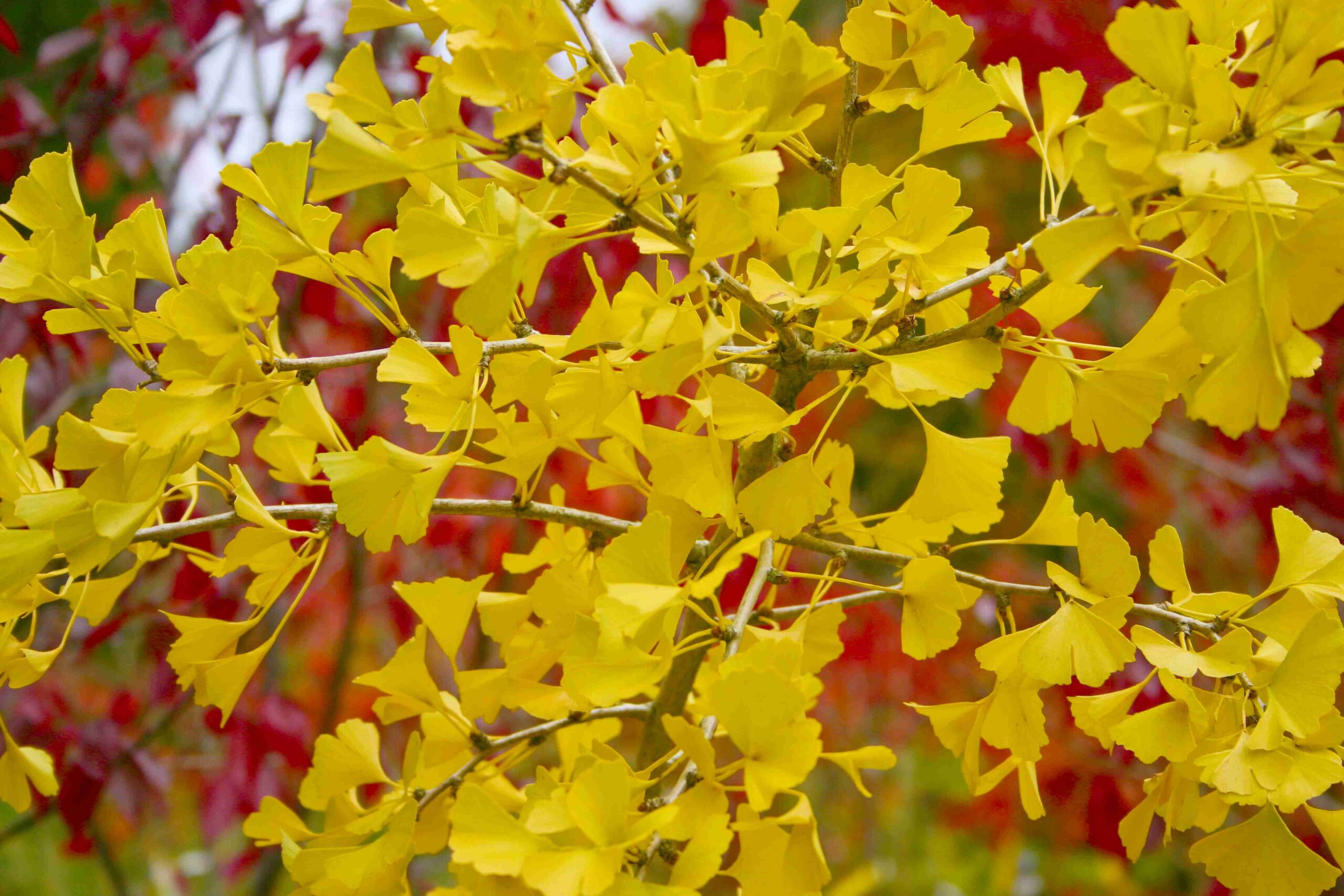
But garden professionals and seasoned gardeners agree: the optimum time to plant trees or shrubs is in early fall, when the goldenrods rule, and trees pepper the ground with jewel-toned leaves.
Emily Evers, store manager at retailer Farmington Gardens in Beaverton, believes that fall is one of the easiest times to plant, which makes it one of the best. “I consider myself a lazy gardener,” she said, “especially in the Pacific Northwest when the rains pick back up.”
One of the essential things to consider before planting anything new, especially larger plants, is being conscious about watering. When you plant in the fall, you don’t have to worry as much about watering plants compared to summer, unless there’s a prolonged dry spell in the fall.
“One can never ignore the weather,” Evers said. “It is a great time to plant your trees and shrubs; early cooler temperatures make for more comfortable gardening work. It’s also great for new plants to settle into the garden.”
Henry Wilhoit, assistant store manager and plant buyer for Farmington Gardens said, “We’ve experienced hot summers and cold winters in recent years, but on average, you can plant at any time. As a plant parent, it makes the job easier when you put something in the ground; you do less work taking care of it. I advise my clients that plants know what they are doing better than we do. They’ve been doing it for millions of years; the less you get in the way of what they are naturally born to do, the better.”
If you plant during fall or spring, you are encouraging that kind of benign neglect. “Even when we have a dry spell in winter, the ground is moist enough to carry them through,” Wilhoit said.
The Ovchinnokov brothers, Nik and Sergie, co-owners of retailer Nursery Outlet as well as SNO Landscape in Woodburn, Oregon, prefer planting in autumn. “By getting the plants in the ground during this season, we benefit from the fall rains, which means we’re not watering like we do in the summertime,” Nik said.
While people grumble about the return of the rainy season, gardeners who tuck their plants into garden beds in fall rejoice, as the water requirements are vastly reduced or nonexistent until the next dry season. Not having to take care of watering needs is a significant boon to both landscapers and gardeners.
Trees and shrubs still experience a period when they’re putting energy into growing roots, as they are not completely dormant, yet do not have to grow foliage or flowers at the same time.


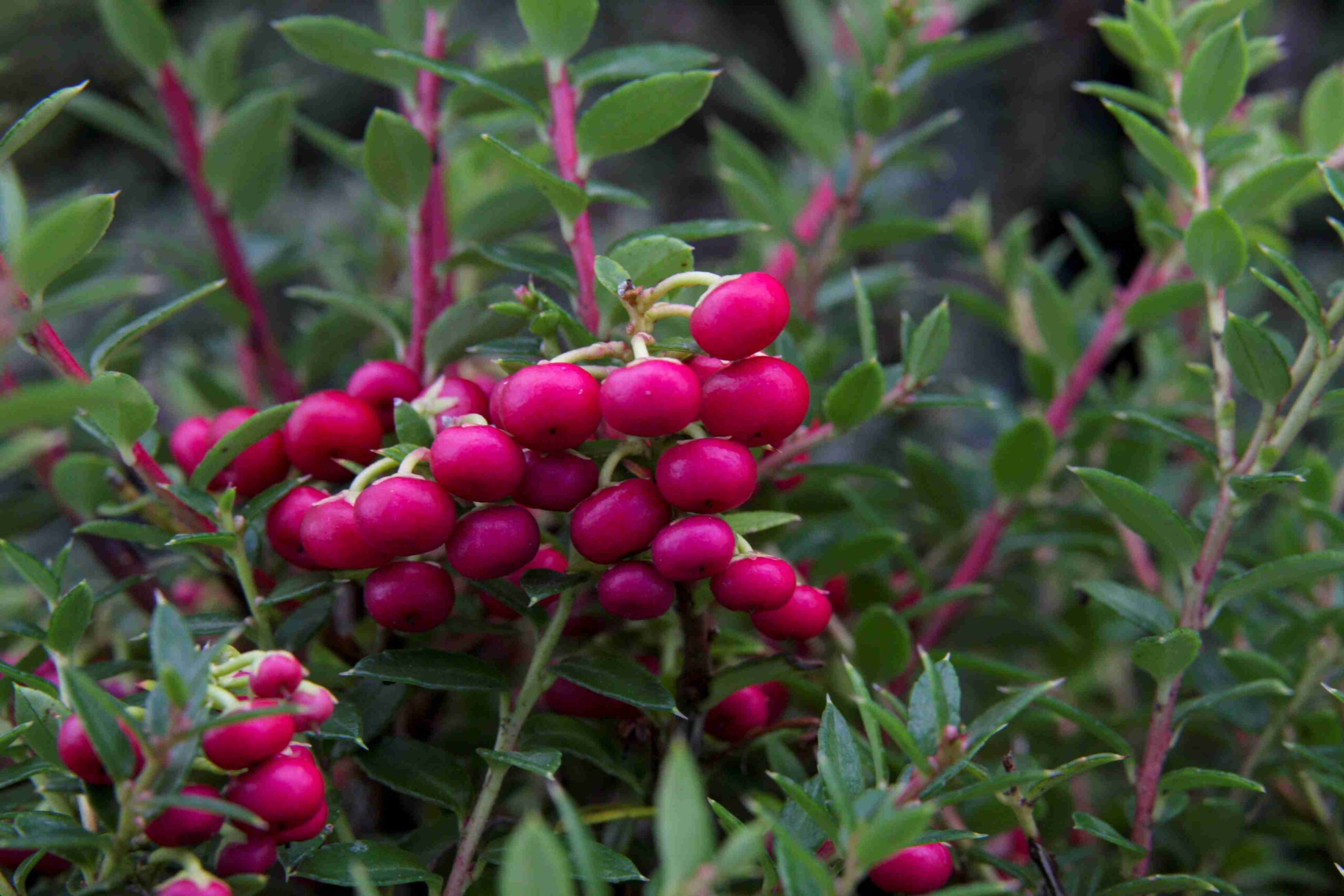
“When spring hits, they’re in the ground, they’re ready to go, and you get maximum establishment before those hot, hot summer months,” Nik said. “I prefer this approach for large planting jobs, such as installing screens or hedge rows, especially native plants.”
“When the weather cools down, it’s better for the plants,” Sergie said. “Most of the shrubs we sell — deciduous, evergreen, and conifers — do best in the fall. Once spring hits, they are already established and have a head start.”
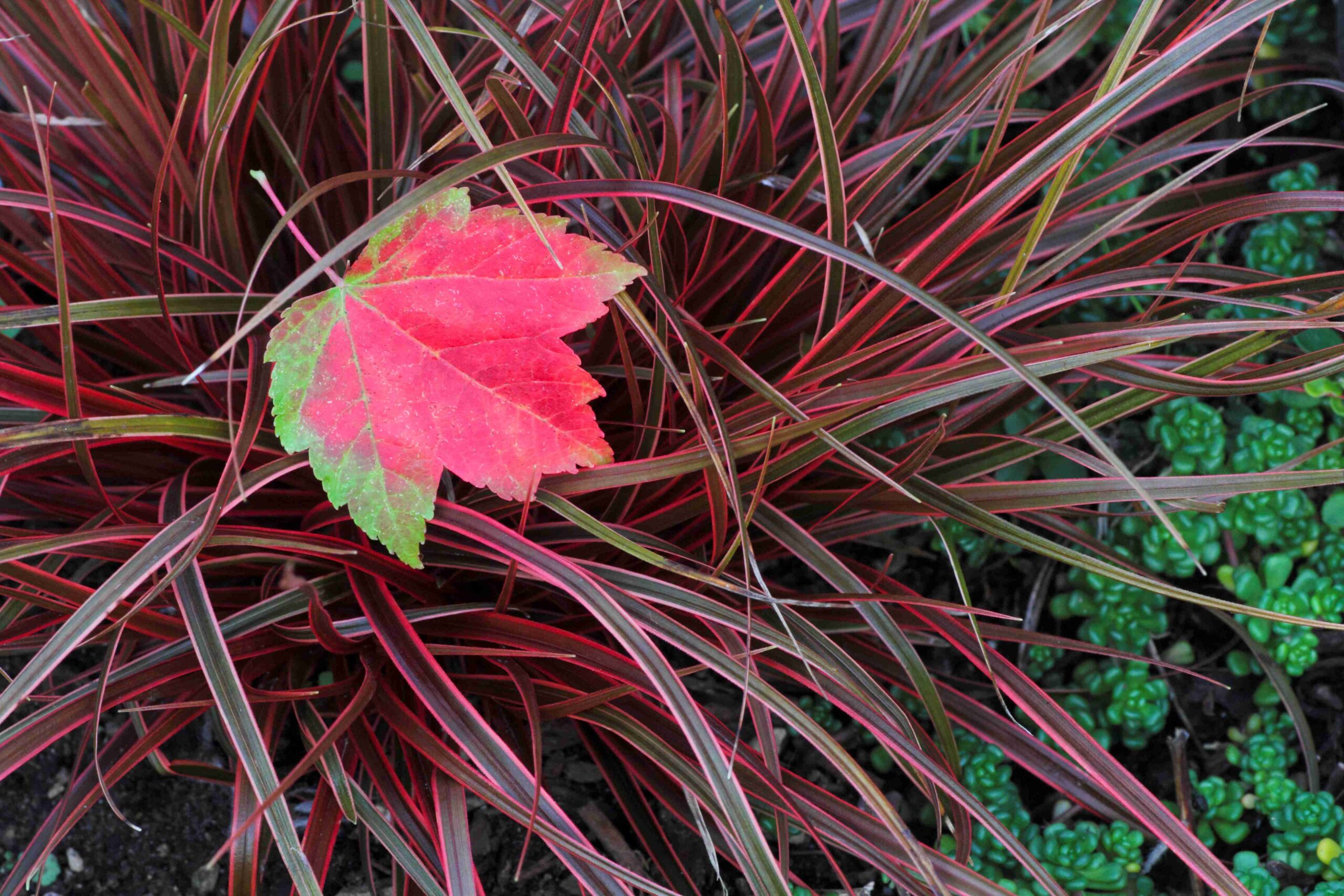
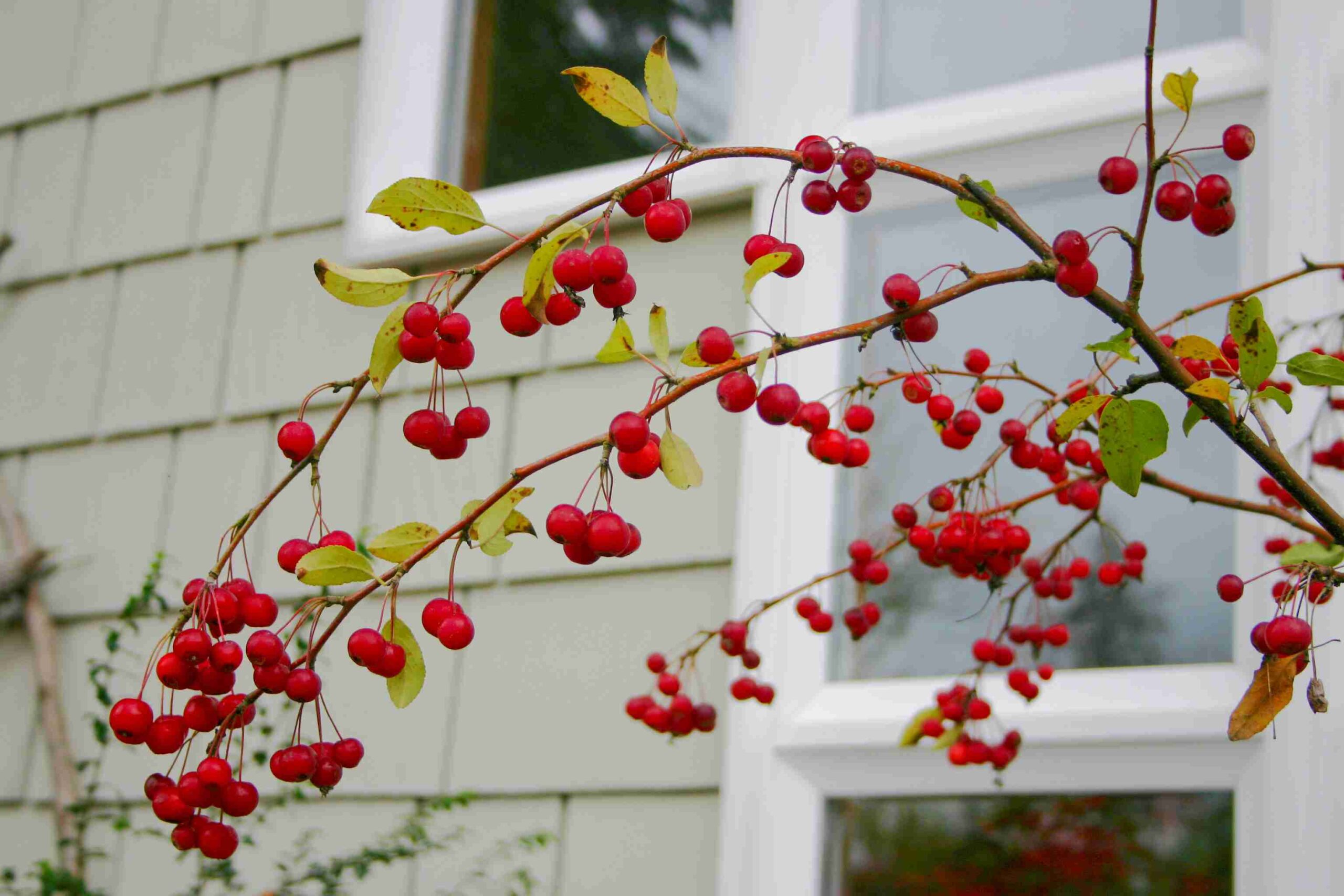
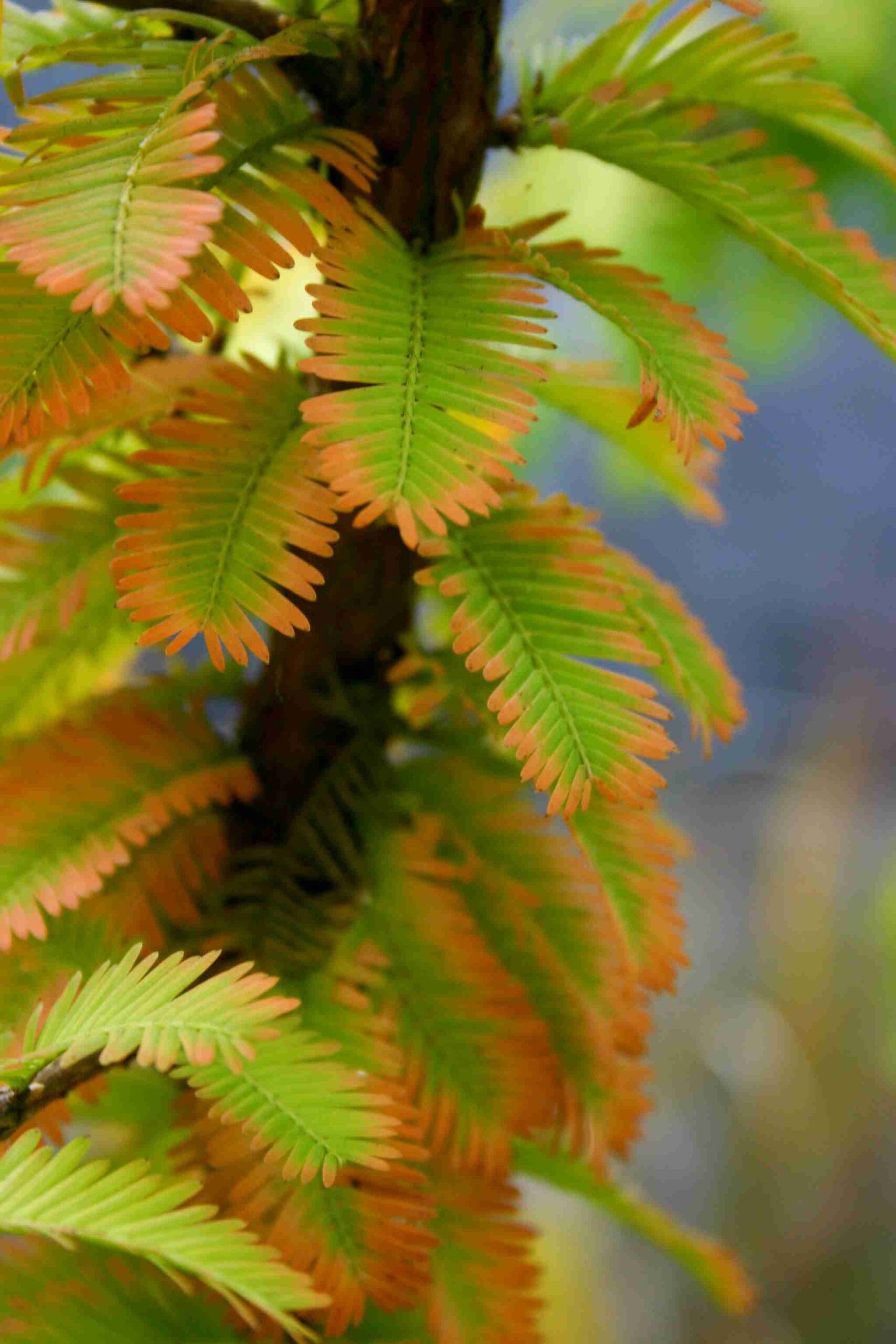
Getting out of the spring fever buying spree habit might mean pacing your plant budget to include autumn. A benefit of purchasing plants in the fall is that a trip to the nursery lets you see the wealth of trees and shrubs in their fall glory.
“I think about one of my favorite trees, redbud (Cercis),” Evers said. “Fall is one of the most magical times for these trees, their color is just extraordinary. C.‘Flamethrower’, as the name implies, looks like flames lighting up a branch.”
“Most garden centers are trying to clear out inventory, which means customers can get a pretty good discount,” Wilhoit said. “We send out a newsletter. Keep an eye out on your social media or sign up for a garden center’s newsletter so you can take advantage of end-of-season sales.”
The Ovchinnokov brothers recommend digging a hole that is twice as wide as your root ball, but not too deep. Plant so the crown is about an inch higher than the soil level. Don’t plant the tree too deep.
“The biggest mistake people make is they dig a hole too deep, and the tree suffers,” Sergie said.
Mix some compost in with the native soil for backfilling the hole. The compost helps transition the roots into the native soil.
The brothers recommend letting the water settle the soil. “If the rains have returned and the ground is saturated, water to settle the soil in. If the soil is dry, fill the hole with water and let it drain through, and then proceed with the planting process.”
Backfill half the hole, then water around it so that water can settle any air pockets. Repeat this process as you finish filling the hole.
Top dress with mulch, taking care not to have the mulch touching the trunk. Most shrubs or trees will benefit from a fertilizer that contains mycorrhizal fungi.
Nik recommends staking before the storms arrive. “When you plant in the fall, you’re going to have a lot of winter storms, so properly stake the tree. Smaller trees usually only need two stakes. The larger trees require at least three to secure their roots. The fine roots that are starting to form will break every time the tree moves, or falls, which delays the establishment of the tree.”
“We’re entering a dormant period, so the root system is growing more. You want to get those root systems growing and established first before you want more growth on top,” Wilhoit said.
Make fall your ultimate season for planting trees and shrubs.
Debbie Teashon is co-author and photographer for Garden Communicators award-winning Gardening for the Homebrewer, and a regular contributor to regional magazines. Her gardening website is RainySide.com.