
Summer is here and things may be humming along in your garden, but don’t sit back just yet. August is the perfect time for planning and doing, according to OSU Extension Service.
Planning
- The optimal time for planting and establishing a new lawn is August through mid-September.
- Dampwood termites begin flying later this month. Make sure your home is free of wet wood or places where wood and soil are in contact.
Maintenance and cleanup
- Make compost out of lawn clippings and garden plants that are ready to be recycled. Don’t use clippings if the lawn has been treated with herbicide, including “weed-and-feed” products. Don’t compost diseased plants unless you are using the “hot compost” method (120–150 F).
- Fertilize cucumbers, summer squash and broccoli to maintain production while you continue harvesting.
- Clean and fertilize strawberry beds.
- Use mulch to protect ornamentals and garden plants from hot weather damage. If needed, provide temporary shade, especially for recent plantings.
- Camellias need deep watering to develop flower buds for next spring.
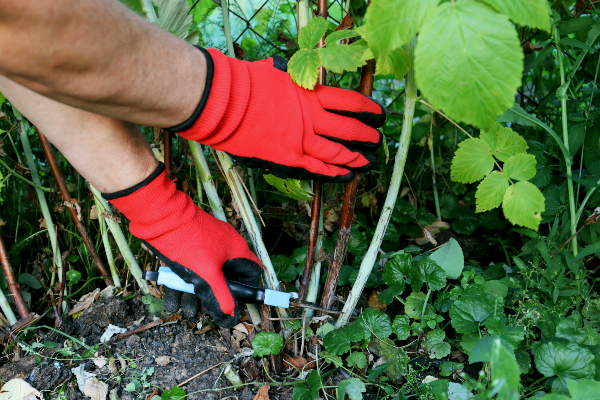
- Prune raspberries, boysenberries and other cane berries after harvest. Check raspberries for holes made by crown borers, near the soil line, at the base of the plant. Remove infested wood before adults emerge (approximately mid-August).
- Monitor garden irrigation closely so crops and ornamentals don’t dry out.
- If you want your lawn to stay green, you’ll have to water frequently during periods of heat and drought stress. Irrigate 0.25 inches four to six times per week from June through August. Measure your water use by placing an empty tuna can where your irrigation water lands.
- Prune cherry trees before fall rains begin to allow callusing in dry weather. This will minimize the spread of bacterial canker.
Planting and propagation
- Plant winter cover crops in vacant space in the vegetable garden.
- Plant winter kale, Brussels sprouts, turnips, parsnips, parsley and Chinese cabbage.
August in the garden