
Is your garden getting plagued by pests? Here are some tips on identifying and combatting the worst garden pests in the Willamette Valley from Brooke Edmunds, Ph.D., from the Community Horticulture Department at Oregon State University and the Extension Service in Marion and Polk Counties.
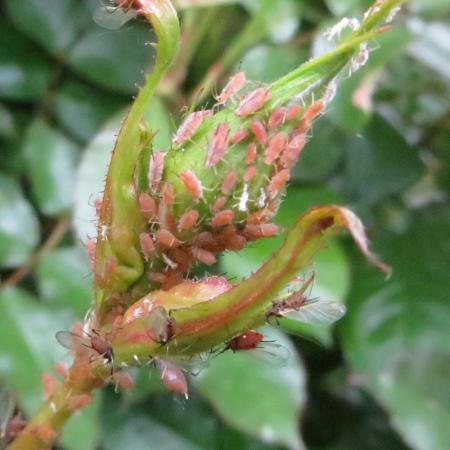
Aphids are soft-bodied insects with a piercing, sucking mouthpart, Edmunds said. “There are winged and non-winged forms. There are many species of aphids (body color can vary from black to green), and they can affect many types of plants. Aphids prefer soft plant tissues, so you’ll usually see them on new growth. For example, new growth on roses (flower buds and leaves) can be heavily infested. Feeding by aphids can distort the growth of plant tissue. Manage aphids by spraying a stream of water to knock them off the plant or use commercial insecticidal soaps (many of these are labeled for use in organic gardens).”
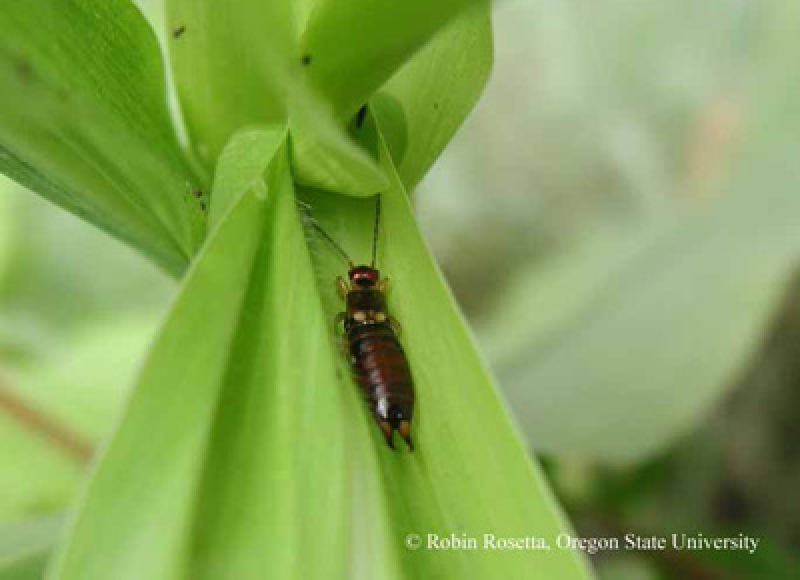
Earwigs are about a half-inch long and have hind pinchers. “Their feeding can damage flowers, leaves, and seedlings,” Edmunds said. “Earwigs are nocturnal and will hide under debris or inside flowers during the day. You can shake them out of flowers,” Edmunds said. “Use tuna fish oil traps to capture earwigs (bury a tuna fish can to the level of the soil and leave about ½ inch of oil in the bottom. Empty the trap when full. Earwigs can also be captured by placing a rolled-up newspaper on the soil overnight. The earwigs will hide in the folds of the newspaper and can be disposed of.”
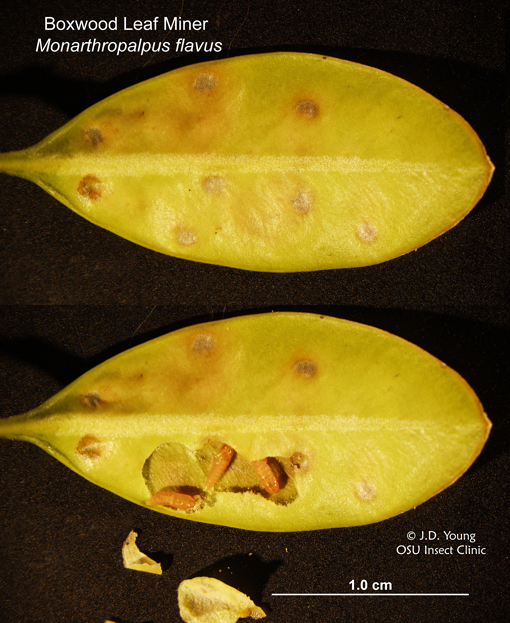
Leafminers damage plants by feeding in between the leaf layers. “This can cause dead blotches or trails on the leaves,” Edmunds said. “Many species of insects cause this type of damage, such as sawflies on elms, boxwood leafminer, and the madrona blotch miner. The damage caused by leafminers is usually minor, so management isn’t necessary. Stressed plants are more susceptible, so ensure they receive sufficient water.”
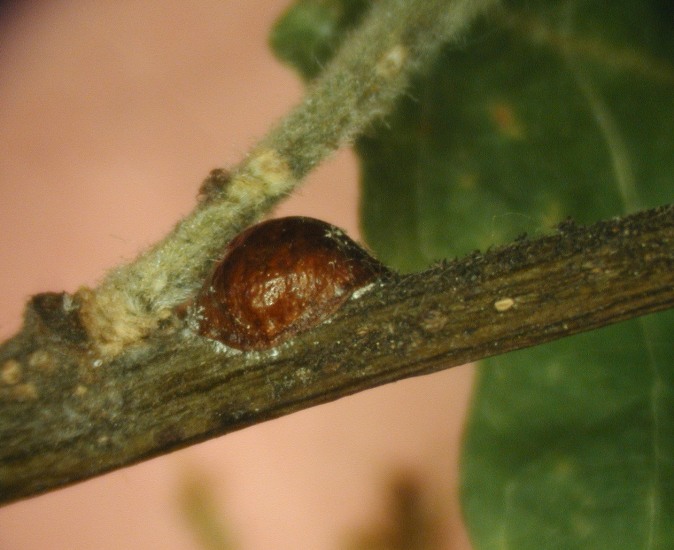
Many species of scale insects can infest landscape plants. “They have an interesting life cycle with a mobile stage (called the crawler stage) and an immobile stage that stays in place, feeding on the plant,” Edmunds said. “Management techniques will vary depending on the species of scale so proper identification is important. Generally, only the mobile stage is effectively managed with pesticides. Small infestations can be pruned out or scraped off by hand. Stressed plants are more susceptible so make sure they are receiving enough water.”
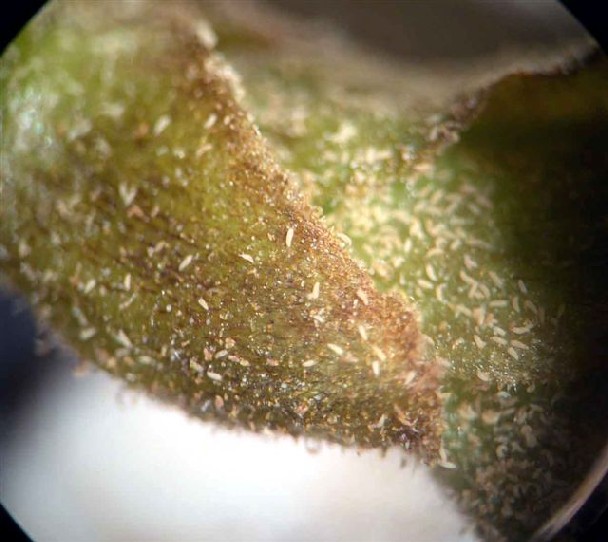
Eriophyid mites are microscopic and can affect a wide range of landscape plants. Their feeding causes plant tissue distortion. Symptoms may include leaf curl, leaf blistering or puckering, stunted growth, and bud deformities. Generally, the damage isn’t enough to affect plant health, but it can be a cosmetic problem in the landscape. Affected branches or leaves can be pruned out. Avoid using pesticides whenever possible to prevent accidentally harming natural enemies, such as predatory mites and lady beetles.
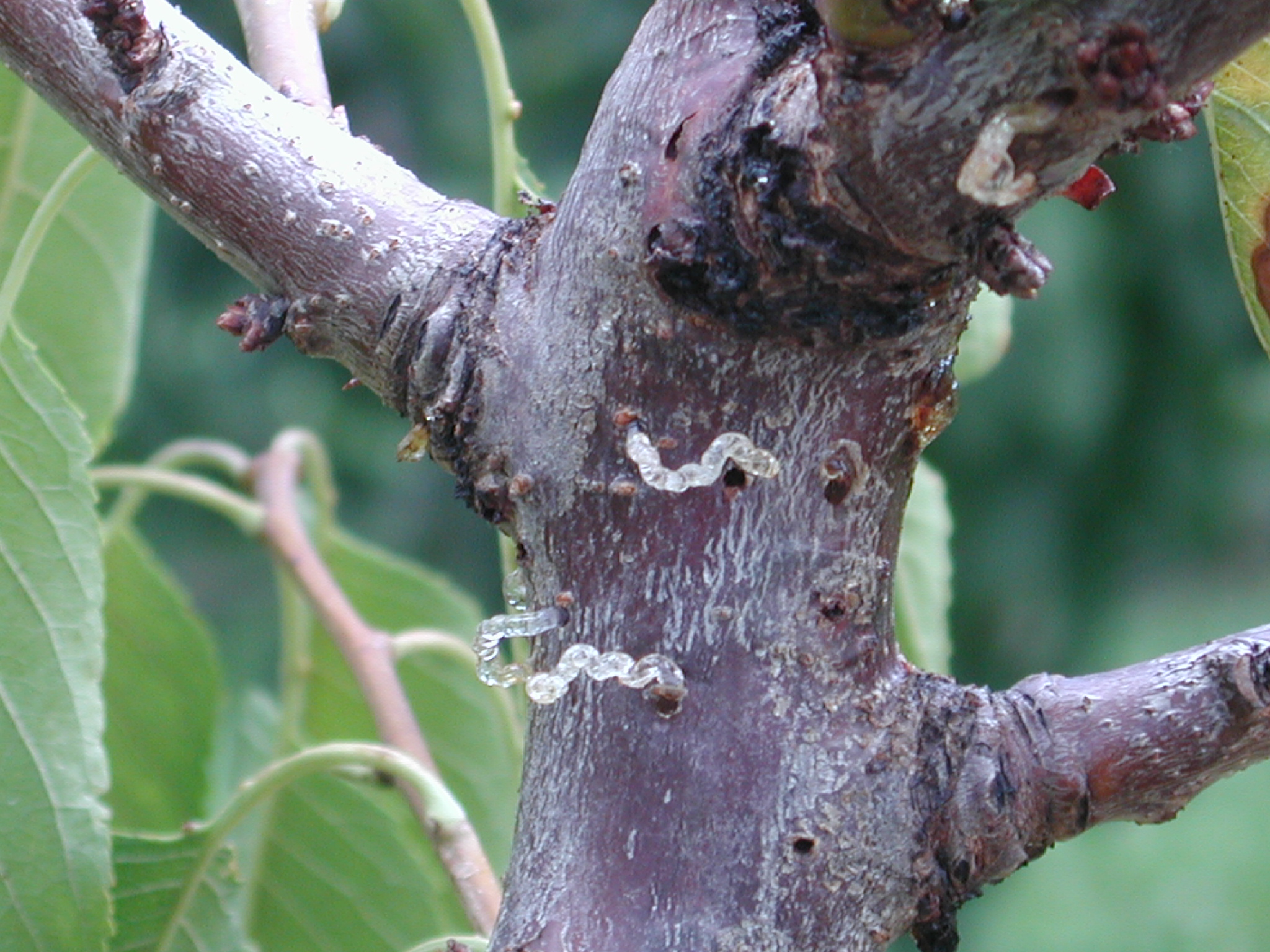
Bark beetles are attracted to stressed trees and shrubs. “There are several species of these small (1/4” long) beetles that tunnel into the inner bark of trees,” Edmunds said. “Beetle feeding damage will accelerate plant death by blocking the movement of water and nutrients. Prevention is the best management option. Keep landscape plants healthy with proper irrigation, fertilization, pruning, and mulching.”
Nicole D. Sanche is an associate professor of practice in horticulture and OSU Extension in Southern Oregon, and says many of the same pests can be found on her home turf, in Klamath County. “Aphids, earwigs, and leafminers are all at the top of the list here,” she said.
“In addition, we frequently encounter woodboring beetles from the two families of larger beetles — Longhorn beetles and Buprestids — that feed on a wide variety of trees,” she said. “Some species, like the bronze birch borer, attack only one species of tree, while others like the Pacific flathead borer feed on a wider range of trees, even those from different families.”
For Central Oregon, the primary one from the list that’s missing that causes significant damage is black vine or strawberry root weevil, said Amo Jo Detweiler, OSU professor and Extension horticulturist. “Another very common one in our native ponderosa pine and native pine is sequoia pitch moth.” For more information on Central Oregon insects
Are you unsure which landscape pest is affecting your landscape? Reach out to your OSU Extension county office for assistance or the OSU Solve Pest Problems website for help with identification and specific management options.